Seized antennas of Maestro TV

2012

This AI-generated translation may not be completely accurate.
Seized antennas of Maestro TV
In the summer of 2012, TV company Maestro launched a project titled “Maestro in Every Family,” aiming to expand its broadcasting reach by importing and distributing satellite dishes to households. However, on June 20, 2012, following an investigation, the Prosecutor’s Office claimed the initiative was actually a “sham scheme” intended to bribe voters in favor of Bidzina Ivanishvili, and on July 11, thousands of satellite dishes were seized at customs.
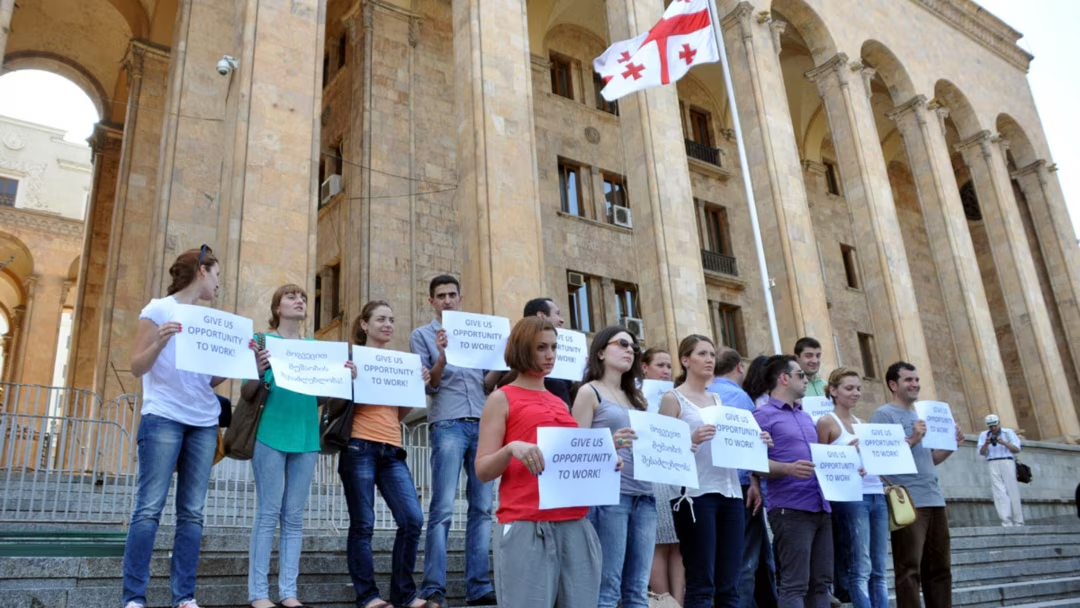
On July 13, Maestro’s 3:00 p.m. news broadcast did not air; instead, the channel ran a video showing journalists and staff protesting outside Parliament, holding signs reading “Let Us Work” in response to the seizure. “The project ‘Maestro in Every Family’ was not just the initiative of the owners — journalists themselves wanted to be part of it,” said anchor Diana Trapaidze.
On July 22, prosecutors seized another batch of dishes, prompting new protests. During a July 25 demonstration, participants carried disposable plates with the Maestro logo and banners depicting satellite dishes marked “Wanted.”
Rallies were held in front of the Prosecutor’s Office and the President’s residence, joined by journalists from Channel 9, a station owned by Bidzina Ivanishvili’s family. Civil society and media watchdog groups criticized the seizures as politically motivated.
After weeks of standoff, on September 10, following a meeting between the Interagency Commission and the Coalition for Media Advocacy, National Security Council Secretary Giga Bokeria announced that the seized dishes would be released and distributed under the supervision of Georgian Post, not Maestro. They were to be given to socially vulnerable families. Negotiations soon collapsed, however, as Maestro was denied oversight of who received or installed the satellite equipment. Director Ilia (Bacho) Kikabidze argued that the government had no intention of reversing its earlier decision and was only “pretending to compromise” to appease international observers.