Beka is not a criminal

2014

This AI-generated translation may not be completely accurate.
Beka is not a criminal
In May 2013, Beka Tsikarishvili was arrested for possession of up to 70 grams of marijuana. Under Georgian law at the time, possession of a narcotic substance for personal use was punishable by 7 to 14 years in prison.
He spent 18 days in detention before the court replaced his pretrial imprisonment with bail. The court proceedings dragged on, and the prosecution refused to offer a plea deal in exchange for an admission of guilt.
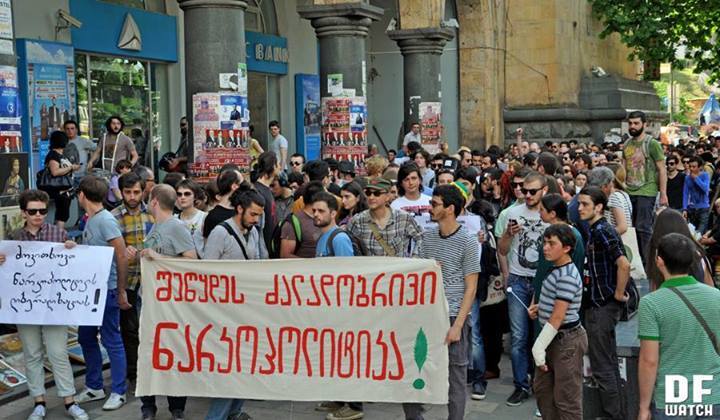
His arrest became emblematic of Georgia’s repressive drug policy. In response, citizens launched the campaign “Beka Is Not a Criminal.” The first rally and march took place on May 31, 2014, from the first building of Tbilisi State University to Parliament, where demonstrators called for the decriminalization of marijuana. In reaction, Prime Minister Irakli Garibashvili declared, “As long as we are in power, this issue will not be discussed.”
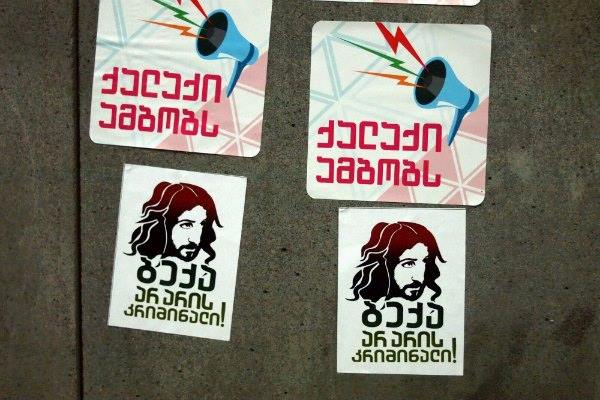
Slogans and graffiti protesting the country’s drug policy appeared on Tbilisi’s streets and across social media. The campaign aimed to raise public awareness about the inhumanity of Georgia’s drug laws — highlighting, for example, that rape carried a sentence of 4–6 years in prison, while marijuana possession could lead to up to 11 years.
On May 5, 2015, Tsikarishvili filed a complaint with the Constitutional Court, requesting that the article of the Criminal Code prescribing imprisonment for the purchase or possession of marijuana be declared unconstitutional. His appeal argued that the law violated the constitutional right to personal development and the prohibition against degrading treatment.
On October 24, 2015, the Constitutional Court of Georgia ruled in his favor, declaring unconstitutional the provision that imposed criminal liability for the purchase and possession of up to 70 grams of dried marijuana for personal use.